
Accelerate LiDAR Design & Simulation with Optical Modeling Software
Transform LiDAR Performance with High-Fidelity Simulation Tools
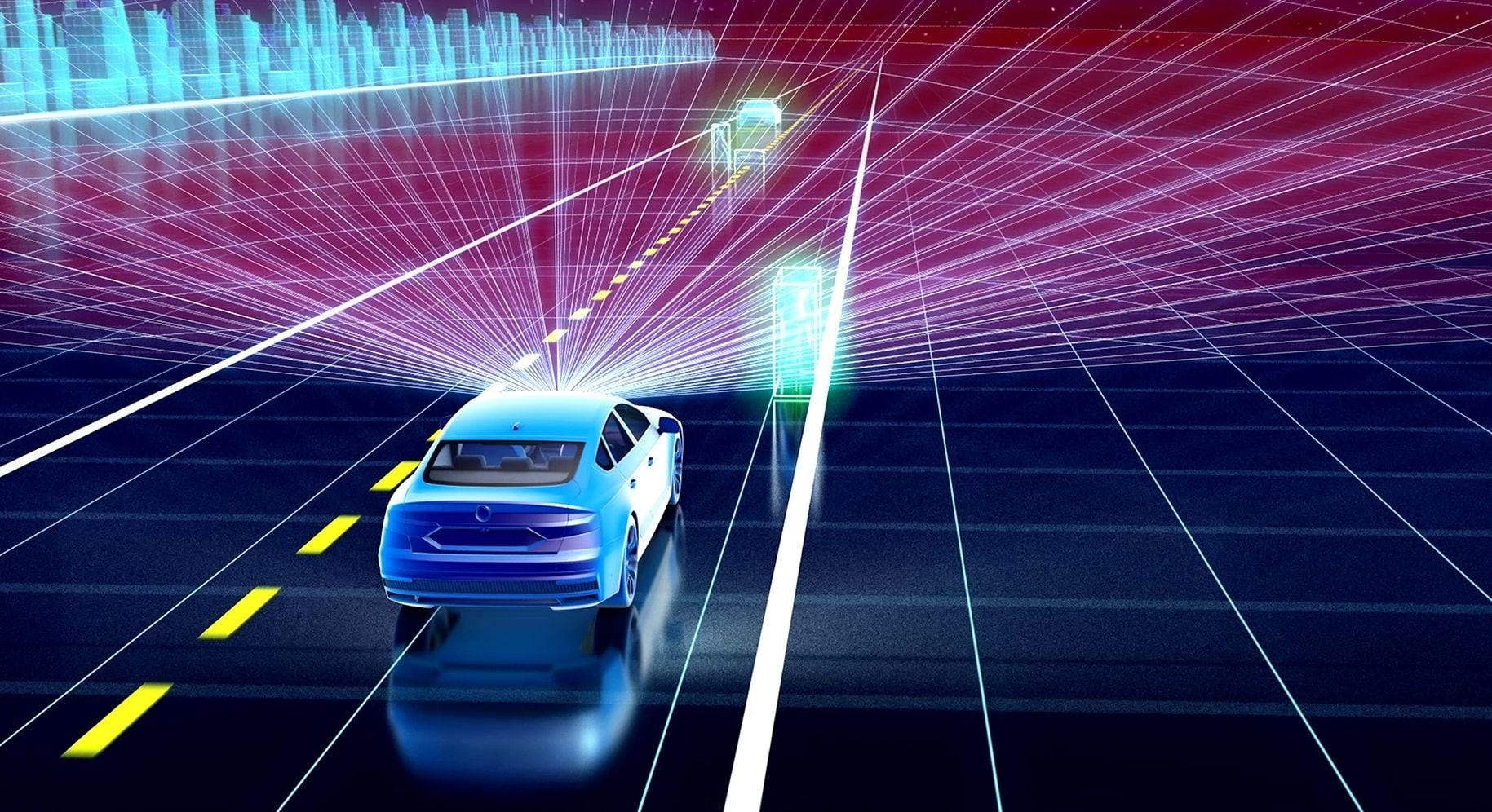
LiDAR (Light Detection and Ranging) is central to autonomous systems, robotics, environmental scanning, and safety-critical perception. Engineers designing these systems must precisely model optical paths, distance measurements, signal return characteristics, and environmental effects long before hardware is built. Simulation reduces risk, shortens development cycles, and improves performance.
We help optical and system designers simulate and optimize LiDAR performance as part of full optical system workflows.
Why Simulate Your LiDAR System
LiDAR Simulation with Our Optical Tools
TracePro: Optical Design & Analysis Software
A professional Monte Carlo ray-tracing environment used worldwide to model LiDAR optics, non-sequential light propagation, material interactions, and detection responses. It supports:
3D optical models imported from CAD
Non-sequential ray tracing
Material and surface property databases
Optimization engines to tune system performance Ideal for designers who need physics-based forecasts of real systems.
Who Benefits from LiDAR Simulation?
✔ Autonomous Vehicle & ADAS Designers
✔ Robotics & UAV Sensor Engineers
✔ Industrial Automation & Safety System Developers
✔ Remote Sensing & Environmental Survey Teams
✔ Optical System Integrators & R&D Scientists
Simulation tools are used not just for LiDAR optics but across optical sensors—including camera systems, HUDs, and multi-modal sensor arrays.
Similar Complementary Products
Industry-Leading Optical & LiDAR Simulation Software
Core capabilities for LiDAR and advanced optical systems:
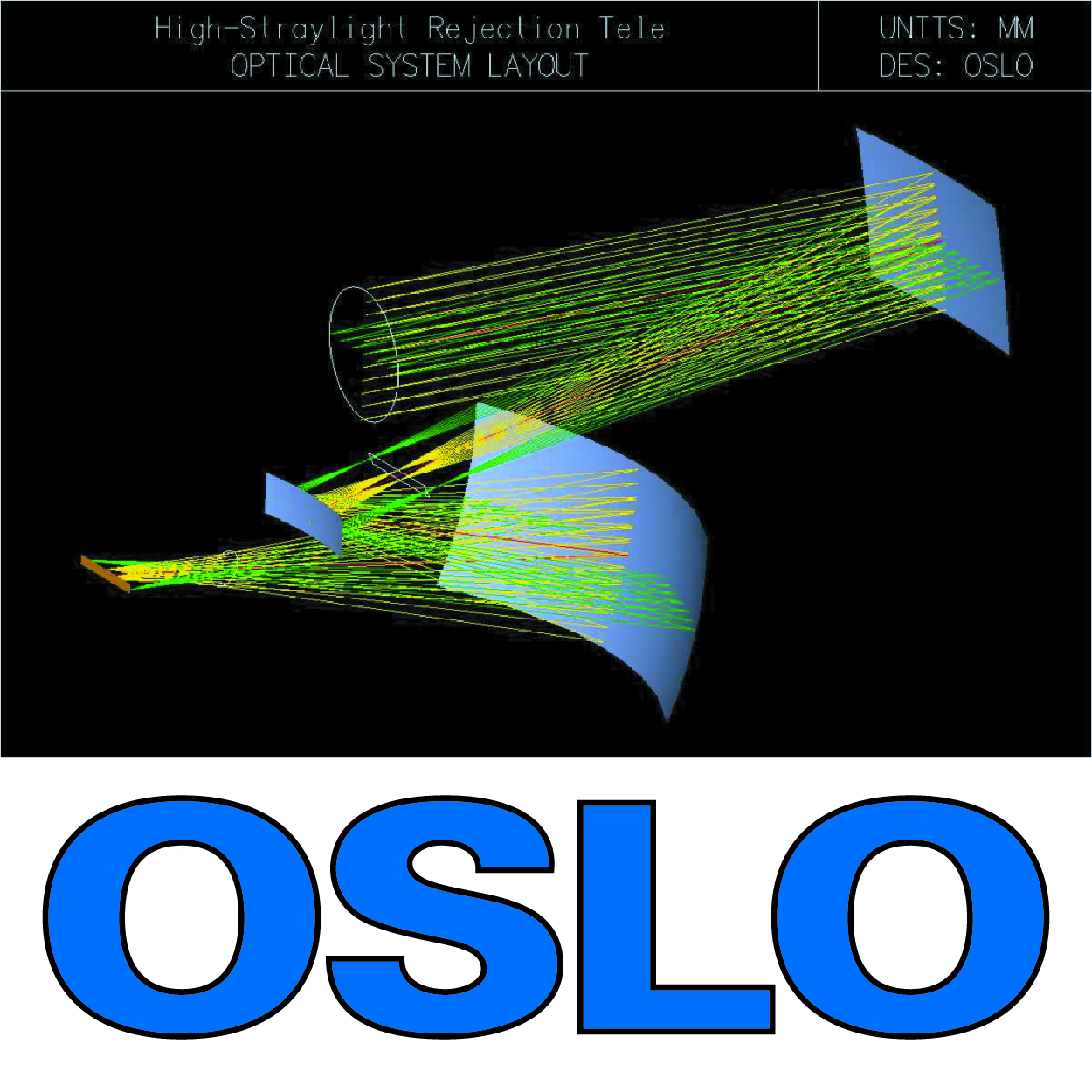
- 3D Ray Tracing With Physics-Based Accuracy — Models how laser pulses travel through optics, reflect off surfaces, scatter in media, and reach detectors.
- Monte Carlo Simulation Mode — Enables scalable, high-precision ray tracing for billions of rays—a must for complex LiDAR path analysis.
- Material & Surface Property Modeling — Use extensive optical property databases or define custom materials to match real components.
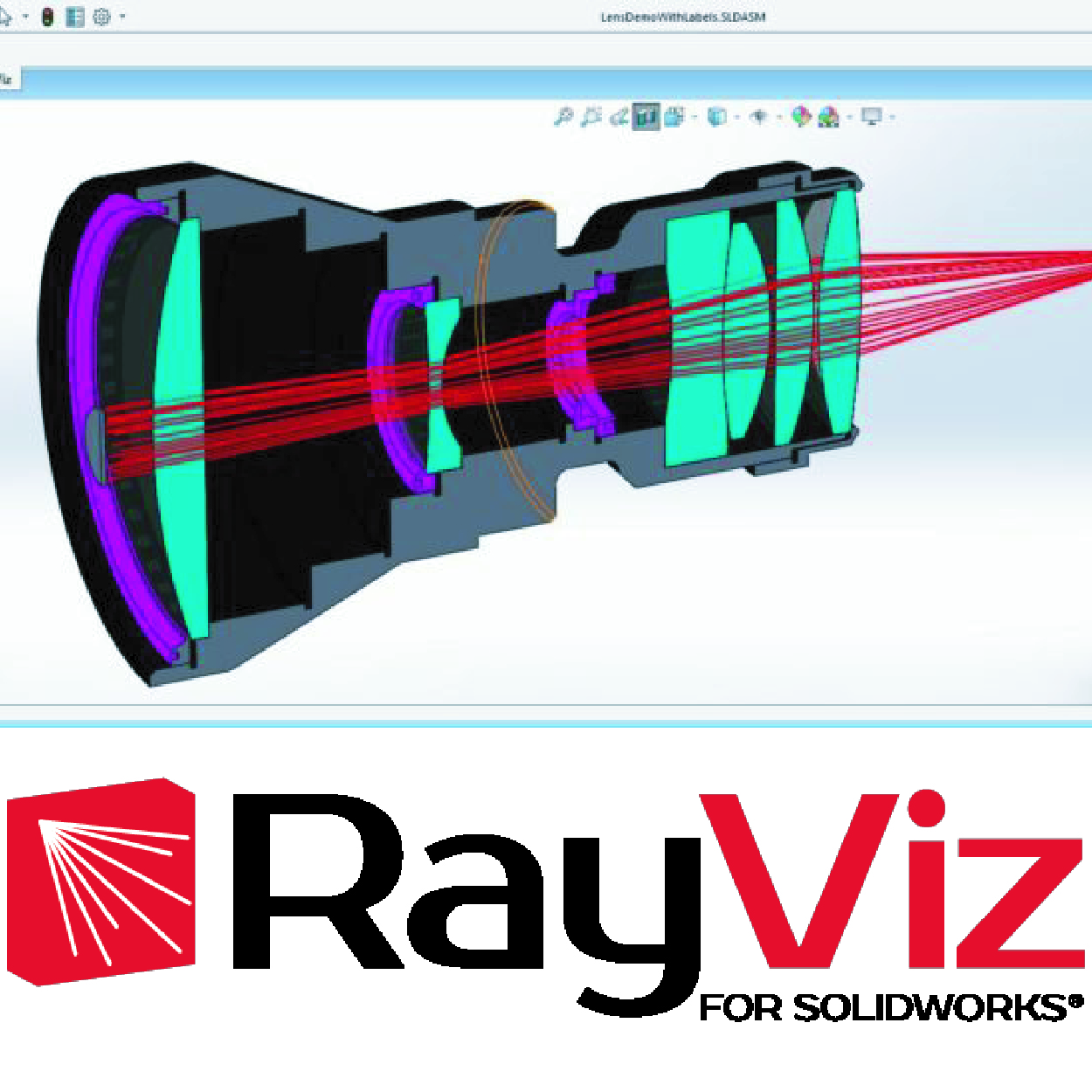
- CAD Integration — Import models from SolidWorks, Creo, Inventor, and other CAD tools for realistic system representation.
- Interactive Optimization — Automate parameter tuning to hit performance targets for range, beam shape, noise floor, and more.
- Stray Light & Noise Analysis — Detect unwanted reflections, ambient light interference, and ghosting that compromise LiDAR accuracy.